We’re here to help you get well and stay well.
Find physiotherapy, massage, chiropractic care or acupuncture near you.
Find a Clinic
Virtual Care
Receive care from the comfort of your home
We continue to offer a range of services through Virtual Care, including Physiotherapy, Chiropractic Care, Occupational Therapy, Hand Therapy and more. Using secure, video conference technology, you can connect one-on-one with a pt Health clinician from the comfort of your own home. Learn more

Latest Blogs How to reduce your risk of falling: 2 simple tests to try at home
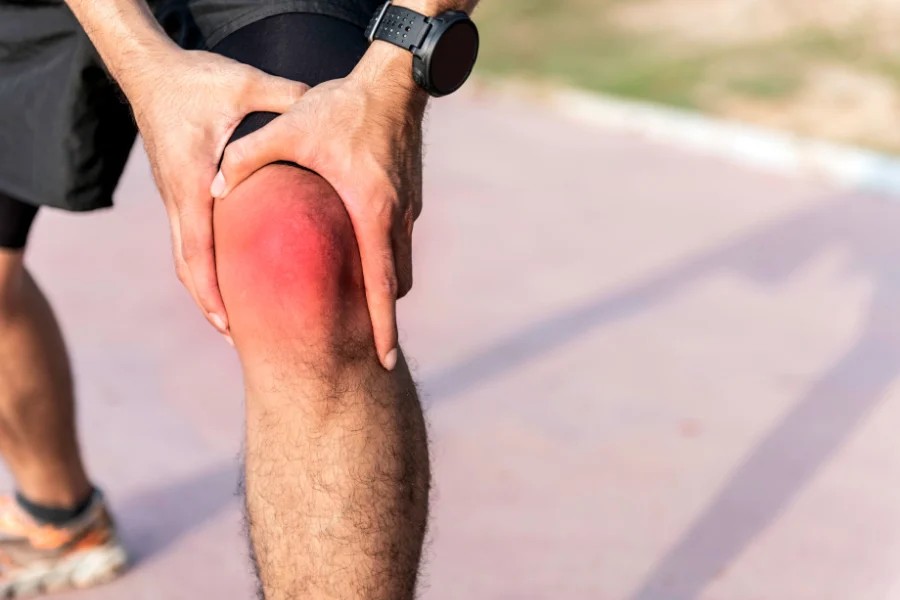 What causes ACL injuries? Signs and prevention tips
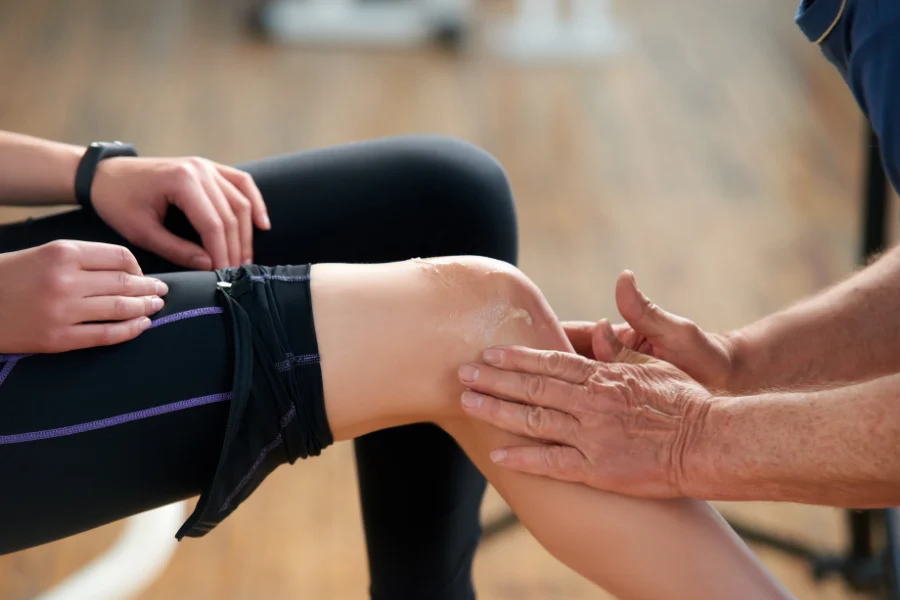 Can menthol help with knee pain? What to know between physiotherapy visits
 Feeling off after a concussion? 3 ways physiotherapy can help
 7 exercises to help prevent golf injuries and keep you playing
 How do I know if I have a substance use problem?
 Can dehydration cause muscle cramps? Here’s what may be going on
 3 exercises for hiking: build strength, balance, and endurance for the trail
 4 physiotherapist-approved self-care activities to support recovery
 Sciatica exercises and movement tips to help ease discomfort
How to reduce your risk of falling: 2 simple tests to try at homeSeptember 10, 2026Balance / fall prevention / Vestibular RehabilitationReaching for a mug on the top shelf, standing up from a low chair, or walking on an icy sidewalk—for older adults, everyday moments like these can carry a higher risk of falling.
It’s natural to respond by slowing down—skipping stairs, avoiding walks, and staying seated more often. But this instinct can backfire. Less movement often means less strength and balance over time, which can increase your risk of falling.
Reducing fall risk for older adults means facing both sides of this problem: physical changes that come with age and the fear that can hold you back from staying active. A vestibular therapist can help identify what’s increasing your risk and build a plan to help you move with more confidence.
Why older adults are at higher risk of falling
Balance, strength, and reaction time can all change as we age. That’s normal, but it also means small trips or missteps may be harder to recover from.
After a fall—or even a close call—it’s natural to slow down. Many people avoid going to the gym, skipping their usual walk, or stop going to group exercise classes. It feels like a safer choice. But less movement often means less strength and less confidence over time, and that can actually raise fall risk, not lower it.
Warning signs that someone is at risk of falling
You don’t need a fall to happen before taking action. Some signs show up earlier, like:
Feeling unsteady when standing up from a chair
Holding onto furniture more than you used to
Avoiding stairs, uneven ground, or crowded spaces
Feeling dizzy or lightheaded when changing positions
Noticing your legs tire quickly during everyday movement
2 tests to assess someone’s risk of falling
These tests are simple, quick, and something you can try today.
Test 1: The single-leg stand
Stand beside a counter you can touch for safety if needed.
See if you can stand on one foot without touching the counter for 6.5 seconds or longer.
If you can’t, you may be at an increased risk of falls and may benefit from support from a vestibular therapist to help reduce this risk.
Test 2: The 5-times sit-to-stand
Sit in a firm, standard chair with arms. Keep your back against the chair and your arms folded across your chest.
Time how long it takes to stand up fully and sit back down 5 times, as quickly as you safely can. You don’t need to touch the back of the chair each time you sit.
Stop timing once you’re seated after your fifth stand-up.
Did it take 12 seconds or longer? If so, you may be at an increased risk of falls and may benefit from working with a vestibular therapist on your balance, strength, and mobility.
A note on safety: if you’re unsteady or use an assistive device, only try these tests with someone nearby to support you.
These tests can also become exercises. When safe for you, practicing them regularly may help improve the very things they measure: balance and strength.
Try holding your single-leg balance a little longer each time. Try increasing your sit-to-stand repetitions as your strength builds.
How a vestibular therapist can help reduce risk of falling
If either test showed some risk, you’re not starting from zero. You’re starting with information, and that’s a good thing.
A vestibular therapist is trained to look at balance, dizziness, and unsteadiness as connected pieces. They can help build a plan that’s designed to support your strength, steadiness, and confidence at your own pace.
This kind of support can also help with dizziness or a sense of unsteadiness that doesn’t seem to have an obvious cause—something many people experience but rarely mention to their care team.
Staying safe outdoors matters too
Don’t let fear of falling keep you from the physical and mental benefits of walking outside. Instead:
Wear proper outdoor footwear—look for supportive walking shoes with good traction
Choose walking areas that are flat and clear of debris
Stick to well-lit areas, and consider motion-sensor or “dusk to dawn” lighting around your home so obstacles are easy to see
Key takeaways
Balance and strength naturally shift with age, but that doesn’t mean falls are inevitable
Fear of falling can lead to less activity, which may raise your risk instead of lowering it
Two at-home tests, the single-leg stand and the sit-to-stand, can offer a quick snapshot of your risk
These same tests can double as exercises to build strength over time
A vestibular therapist can help turn your results into a personalized, supportive plan
FAQs
How do I know if I’m at risk of falling?
Watch for signs like unsteadiness when standing, holding onto furniture more often, or dizziness with position changes. Try the two at-home tests above or see a vestibular therapist to get assessed.
What is a good balance test for seniors?
The single-leg stand is a simple option. Try to balance on one foot near a counter for 6.5 seconds or longer without touching it.
Can exercise reduce the risk of falling in older adults?
Many people find that regular balance and strength exercises help support steadiness. A vestibular therapist can guide an approach suited to your needs.
Is it normal to feel dizzy when standing up quickly?
Dizziness with position changes is worth mentioning to a healthcare provider or vestibular therapist, as it may relate to your balance and fall risk.
What should I do if I fail one of the fall risk tests?
Consider it useful information, not a diagnosis. It may be a good time to speak with a vestibular therapist about building strength and balance.
Are these fall prevention tips safe for someone using a cane or walker?
Yes, but only try the tests with someone nearby for safety and speak with your vestibular therapist about what’s right for you.
Find a clinic near you or book online to schedule an appointment with a clinician.
This blog originally appeared on Lifemark.ca. [...]
What causes ACL injuries? Signs and prevention tipsSeptember 8, 2026Injury Prevention / Knee pain / PhysiotherapyPicture this: you’re back on the soccer field for the first time this season, chasing down a loose ball, when you plant your foot to change direction. Your knee suddenly buckles and you hear a pop. This type of injury could be an ACL injury. Understanding what causes ACL injuries can help you recognize the signs, reduce your risk where possible, and support your recovery and return-to-sport goals.
ACL injuries are most often caused by sudden stops, awkward landings, or quick pivoting and twisting movements with the foot planted firmly on the ground, rather than direct contact alone. These movements are common in sports like soccer, basketball, and skiing. Risk may increase with poor strength or imbalances in the hamstrings and glutes, prior injury history, and certain movement patterns during high-intensity activity. To help reduce the risk of ACL injuries, targeted strength and stability exercises, particularly for the hamstrings and glutes, combined with proper movement mechanics and guidance from a physiotherapist, can help support a safe return-to-sport plan.
What is the ACL and how does it help your knee?
The ACL, or anterior cruciate ligament, is a strong band of tissue that connects your thigh bone (femur) to your shin bone (tibia). It sits deep inside your knee joint.
Its main job is to stop your shin bone from sliding too far forward under your thigh bone. It also helps control rotation, especially when you twist or pivot, and it helps prevent your knee from bending too far backward.
In short, the ACL is one of the key ligaments that keeps your knee stable during movement.
What causes ACL injuries?
ACL injuries usually happen during sudden, high-stress movements. This includes pivoting quickly, landing awkwardly after a jump, or stopping abruptly while running.
Direct impact can also cause an ACL injury, such as a hit to the side of the knee that forces it into an awkward position. Awkward landings or falls can create stress between the thigh and shin bones, pulling them in different directions.
These injuries are common in sports with lots of starts, stops, and direction changes, like soccer and basketball.
Who is most at risk of an ACL injury?
Several factors can increase your risk:
A strength imbalance between your quads and hamstrings
Previous ACL injury, which significantly raises your risk of re-injury on the same or opposite knee
General muscle imbalances around the hip and knee
ACL injuries can happen at any age, though they are often seen in adolescents and young adults who participate in sports. Some research suggests women may be at higher risk, possibly related to hip anatomy and ligament flexibility.
What are the warning signs of an unstable knee?
If you’ve injured your ACL, you may remember the exact moment it happened. Many people describe stepping awkwardly, twisting, and feeling a sudden pop.
Other common signs include:
Sudden swelling around the knee
Pain
Difficulty putting weight on the leg
Some people describe a feeling that their knee is about to “give out” or buckle.
Interestingly, not everyone experiences ongoing symptoms the same way. New research indicates that some people who tore their ACL years ago and were never able to get surgery or surgery was delayed, have shown to be “copers” and are still able to function well with the use of a knee brace or activity modifications. Research is still emerging, and it is not yet known why certain patients are “copers” and others need immediate care. ACL repair is still the gold standard of care for this type of injury.
Should you push through the pain?
Pushing through knee pain isn’t recommended. Swelling and pain can prevent your muscles, including your hamstrings, from firing properly to protect the joint.
If you’re no longer able to manage your usual activity level, experiencing repeated swelling, or feeling your knee buckle, these are signs it’s time to stop and get it checked out.
Exercises that can help support knee stability
Strengthening the muscles around your knee, particularly your hamstrings and glutes, is one of the most effective ways to support ACL injury prevention. These muscles help control the joint and reduce stress on the ligament itself.
Exercises that many physiotherapists recommend include:
Hamstring curls—using a gym machine or a stability ball
Glute bridges—performed on the floor or on an unstable surface like a BOSU or stability ball, to help your knees, ankles, and hips adapt to uneven ground
Lunges—forward, reverse, and lateral, progressing toward unstable or uneven surfaces over time
Sled pushes and pulls—to build agility and proprioception (your body’s sense of where it is in space)
Dynamic jump training—progressing from small to larger jumps to build control on landing
Alignment matters as much as strength. During squats or lunges, try to keep your kneecap lined up with your second toe, and focus on rotating your thigh outward slightly. Practicing in front of a mirror can help you see what your knee is actually doing.
One common mistake is weakness through the outer hip muscles (glute medius), which can cause the knee to collapse inward and increase stress on the joint. Building strength on the outside of the hip and leg can help correct this pattern.
Remember, building strength takes time. Many people start to notice improvements within about 6 weeks, though prevention is really an ongoing process, not a fixed program with an end date.
How a physiotherapist can help support your knees
A physiotherapist can play a meaningful role in both reducing ACL injury risk and supporting recovery if one occurs.
In an initial assessment, a physiotherapist will look at how you move, your knee’s range of motion, and your strength, particularly checking for imbalances between your quadriceps and hamstrings. If you’re recovering from surgery, they’ll also check how you’re walking and whether you’re using any mobility aids properly.
From there, a physiotherapist may use a combination of approaches, including manual therapy to help mobilize the knee, along with a personalized exercise program designed around your specific needs and goals.
A physiotherapist can help guide you through a gradual, structured return-to-sport plan that builds both strength and confidence along the way.
Key takeaways
Your ACL plays a central role in controlling knee rotation and keeping your shin bone properly positioned under your thigh bone during movement.
Strength imbalances between major muscle groups, not just sport type, are one of the biggest contributors to ACL injury risk.
Some people manage well long-term without surgery if they build sufficient surrounding muscle strength and benefit from the use of knee braces, while others need surgery and long-term bracing.
Knee alignment during exercises like squats and lunges is just as important as the strength work itself.
A gradual, guided return-to-sport plan can help rebuild both physical stability and confidence after an injury.
FAQs
What does an ACL tear feel like?
Many people describe a sudden pop, followed by swelling, pain, and a feeling that the knee may give out.
Can you walk with a torn ACL?
Some people can walk, especially with enough surrounding muscle strength, but most experience pain, swelling, or instability that makes walking difficult.
What is the best exercise to prevent ACL injuries?
There isn’t one single best exercise. A combination of hamstring curls, glute bridges, lunges, and balance training tends to be most effective for helping reduce ACL injury risk.
How long does it take to strengthen your knee against ACL injury?
Many people notice strength improvements within about six weeks, though ongoing prevention is a long-term habit rather than a short program.
Are women more likely to tear their ACL?
Some research suggests women may be at higher risk, though the reasons are complex and may involve anatomy, hormones, strength, and movement patterns.
Can a physiotherapist help prevent an ACL injury, not just treat one?
A physiotherapist can assess your strength and movement patterns and design a prevention-focused program to help reduce your risk.
Is it safe to keep playing sports with mild knee pain?
It’s not recommended to play sports with mild knee pain. Pain and swelling can prevent your muscles from properly stabilizing the knee, which may increase your risk of further injury.
Find a clinic near you or book online to schedule an appointment with a clinician.
This blog originally appeared on Lifemark.ca. [...]
Can menthol help with knee pain? What to know between physiotherapy visitsSeptember 8, 2026Acupuncture / PhysiotherapyYou’ve been working hard with your physiotherapist and starting to see real progress for your knee pain. But every time you push a little harder—a longer walk, a busier day at work, a return to your favourite sport or activity—the soreness in your knee creeps back in. Between sessions, you want something safe and natural to help manage those knee flare-ups without setting back your recovery. That’s where topical menthol may help.
Topical menthol may provide temporary relief from minor knee pain when used after activity, during a flare-up, or before gentle movements or exercises. It works by creating a cooling sensation on the skin that temporarily changes how pain or discomfort feels.
If soreness in your knee returns between physiotherapy sessions, a menthol gel or cream may help you feel more comfortable while you continue following your rehabilitation plan.
How does menthol work?
Menthol is a naturally occurring compound found in plants like peppermint. When applied to the skin, it stimulates the body’s cold-sensing receptors. This creates a cooling sensation that can temporarily change how your nervous system processes pain signals.
It doesn’t repair tissue or treat the underlying cause of knee pain. Menthol is designed to offer temporary symptom relief. When knee pain eases even briefly, movement may feel more manageable. This can help you stay engaged with exercises and activities recommended as part of your knee rehabilitation plan.
Does menthol reduce knee inflammation?
Menthol for knee pain works primarily through sensory relief, not inflammation reduction. It does not target swelling or tissue damage the way anti-inflammatory medications do.
Ice may help provide short-term relief from knee pain and swelling after some acute injuries. Heat may feel helpful for muscle stiffness or tightness. Menthol sits in a different category—it creates a cooling sensation without substantially lowering the temperature of the tissue. It is also portable and requires little preparation.
Each option works differently. Your physiotherapist can help you understand which approach may be appropriate for your symptoms.
OptionMay be helpful forMentholTemporary relief from minor muscle or joint painIceShort-term pain or swelling after some acute injuriesHeatMuscle stiffness or tightness
Types of knee pain menthol can help with
Topical menthol is commonly used for a range of joint and muscle complaints. It may be helpful for temporarily relieving minor aches and pains associated with:
Knee pain from overuse, strain, or osteoarthritis flare-ups
Knee stiffness, especially in the morning or after periods of rest
Post-exercise knee soreness after activities like walking, cycling, or sport
General knee aches from repetitive movements or physical work
Mild pain from minor knee sprains or strains
Menthol products are intended for temporary relief from minor knee aches and pains, not severe knee pain or a significant acute injury. If your knee pain is sharp, worsening, or accompanied by significant swelling, it’s important to speak with a healthcare provider.
When to use menthol for knee pain
Timing matters when using a menthol product. Many people find it most useful in these situations:
After activity, when knee soreness tends to peak
During a flare-up, to help take the edge off knee discomfort
Before gentle movements or exercises, to make movement feel more manageable without using the temporary relief to push through knee pain
How often you can apply menthol depends on the product. Always follow the directions on the label or as recommended by a healthcare practitioner.
Products containing 4% USP-grade menthol, such as Biofreeze, may help to provide temporary relief from minor knee aches and pains at home or between physiotherapy visits.
How to use menthol products at home
Using a topical menthol product at home is straightforward. Here are some general guidelines:
Apply to clean, dry skin over the painful area
Use as directed on the product label
Wash your hands after applying, unless you’re treating your hands
Do not apply to broken, irritated, or sensitive skin
Avoid contact with eyes or mucous membranes
Do not use under tight bandages or wraps
Do not use with a heating pad or apply another source of heat to the area
Possible side effects of menthol products
Topical menthol can sometimes cause:
Mild skin irritation or redness at the site of application
A temporary burning or stinging sensation
Skin sensitivity with prolonged or frequent use
If irritation develops or pain worsens, stop use and let the skin recover. Rarely, topical pain-relief products can cause serious skin reactions or burns. Stop using the product and seek medical attention if you experience severe pain, swelling, or blistering where it was applied.
If you are pregnant or breastfeeding, speak with a healthcare professional or pharmacist before using a topical menthol product.
How can menthol support physiotherapy for knee pain?
A physiotherapist may recommend topical menthol as a supportive tool during knee recovery. It may be applied before or during manual therapy to help make certain movements or exercises feel more comfortable.
Menthol is not a replacement for treatment. But it can play a helpful role alongside physiotherapy by making it easier to stay active, keep up with exercises, and manage day-to-day discomfort. Some physiotherapists see it as a practical, low-risk option for patients managing mild to moderate knee pain between visits.
If your knee pain keeps returning, limits your activity, or flares up regularly, temporary symptom relief may not be enough. A physiotherapist can assess factors that may be contributing to your knee pain and develop a personalized rehabilitation plan to support your movement and function. See a physiotherapist if:
Knee pain persists or comes back regularly after activity
You’re modifying your daily life to avoid knee pain
Knee flare-ups are becoming more frequent or intense
You’re unsure whether you’re doing the right exercises or movements for your knee
The goal of physiotherapy is to support long-term function. You should not use temporary pain relief products to push through worsening knee pain.
Key takeaways
Menthol works through your skin’s cold receptors, offering temporary pain relief. It doesn’t treat the underlying cause, but may support comfort during movement.
You may find topical menthol products helpful after activity, during a flare-up, or before gentle exercise.
Menthol, ice, and heat each serve different purposes. Your physiotherapist can help you decide which option may be appropriate for your knee pain.
Temporary knee pain relief may make it easier to stay engaged with your rehabilitation plan. If your knee pain keeps coming back, menthol is not the answer on its own. A physiotherapy assessment can help identify factors contributing to your knee pain and guide your next steps.
FAQs
Does menthol actually help with knee pain?
Topical menthol can temporarily reduce the sensation of minor knee pain by cooling the skin and how pain signals are perceived. It doesn’t treat the cause, but it may make day-to-day movement more comfortable.
How often can I use menthol cream on my knee?
How often you can use a menthol product depends on its formulation and concentration. Always follow the directions on the product label, and check with your physiotherapist or pharmacist if you’re unsure.
Is menthol safe to use while doing physiotherapy?
Menthol may be used alongside physiotherapy to make movement more comfortable. Speak to your physiotherapist about whether it is the right option for your needs.
What’s the difference between menthol and ice for knee pain?
Menthol offers a cooling sensation through skin receptors, but it doesn’t substantially lower tissue temperature. Ice lowers the temperature of the area and may temporarily ease pain and swelling after some injuries. Menthol is more convenient and easier to use on the go. Speak with your physiotherapist if you’re unsure which is a better option for you.
Can menthol help with arthritis knee pain?
Some topical menthol products are labelled for the temporary relief of minor aches and pains associated with arthritis. However, evidence supporting menthol specifically for osteoarthritis pain is limited. It’s not a treatment for arthritis, but some people may find it helpful for temporary symptom relief.
Can I use menthol before exercise?
Applying menthol before gentle movement or exercise may help make the activity feel more manageable. It should not be used to mask pain so you can push through an activity that would otherwise hurt. Speak to your physiotherapist if you’re unsure whether it is right for you.
When should I stop using menthol and see a physiotherapist instead?
If pain keeps returning, limits your daily activity, or is getting worse over time, you may need more than symptom relief. A physiotherapist can assess factors contributing to your pain and develop a personalized plan based on your needs and goals.
Find a clinic near you or book online to schedule an appointment with a clinician.
This blog originally appeared on Lifemark.ca. [...]
Feeling off after a concussion? 3 ways physiotherapy can helpSeptember 1, 2026concussion / PhysiotherapyConcussion symptoms like headache, dizziness, fatigue, and loss of balance often have more than one contributing source. They can be linked to changes in three key systems: the vestibular system, the autonomic nervous system, and the musculoskeletal system.
Understanding what each system does can help explain why certain symptoms linger, and how an assessment with a physiotherapist can help support your recovery and return to daily activity.
1. Physiotherapy can help with dizziness and balance after a concussion.
The vestibular system helps with your sense of balance and your awareness of where your body is in space. When it’s not working properly after a concussion, even ordinary situations can feel disoriented. Walking through a crowded mall, scrolling on your phone, or riding in a car may trigger dizziness or a sense of unsteadiness.
Your physiotherapist may use vestibular rehabilitation to help retrain your balance system. This often starts with education, so you can understand what is happening and why. From there, your physiotherapist may use strategies and gradual exercises that challenge your balance in a safe and controlled way.
With the right guidance, many people find that their vestibular system can recalibrate over time, helping them feel steadier and more confident during daily movement.
2. Physiotherapy can help rebuild your tolerance to activity
The autonomic nervous system regulates essential functions like heart rate and blood pressure. After a concussion, this system can become disrupted. That means even mild exertion, like climbing stairs or a short walk, may bring on headaches, brain fog, or feeling generally unwell.
For someone who was previously active, this can feel discouraging and isolating. Physiotherapy can help by guiding a gradual return to movement.
Rather than pushing through symptoms or avoiding movement entirely, the goal is to find a safe level of activity and build from there. This approach is sometimes called sub-symptom-threshold training. It is designed to help rebuild your tolerance for activity over time, at a pace that feels manageable for your body.
Returning to activity after a concussion looks different for everyone. A structured plan can help you move forward safely and with more confidence.
3. Physiotherapy can help address neck-related headaches and stiffness
This is an area that often surprises people. The musculoskeletal system—your bones, muscles, tendons, and ligaments—can play a role in concussion symptoms, especially when it comes to the neck.
A long day at a desk or waking up with a stiff neck can sometimes make headaches or dizziness feel worse. That’s because joint and muscle changes in the cervical spine (the neck) can contribute to post-concussion symptoms.
A physiotherapist can assess your posture, strength, muscle tension, and joint mobility to better understand what may be contributing to your symptoms. Treatment may include targeted exercises, manual therapy techniques, and practical postural strategies.
These approaches can help reduce symptoms and support your return to daily function, particularly for those whose headaches are impacted by their necks.
Key takeaways
Concussion symptoms can involve more than the brain. The vestibular, autonomic, and musculoskeletal systems may also be affected.
Dizziness, balance issues, headaches, and exercise tolerance may each need a different approach.
Physiotherapy can help identify which systems may be contributing to your symptoms.
Vestibular rehabilitation, gradual activity training, and neck-focused treatment may all be part of a concussion recovery plan.
A physiotherapist can help you return to daily activity at a pace that is safe and appropriate for you.
FAQs
Can a physiotherapist help with a concussion?
Physiotherapy is a recognized part of concussion management. Physiotherapists assess and treat the vestibular, autonomic nervous, and musculoskeletal systems—all of which can be affected by a concussion.
How soon after a concussion should I see a physiotherapist?
Within the first 24-48 hours after a suspected concussion, it is generally recommended to seek care from a doctor or nurse practitioner for an assessment and diagnosis. After that, early guidance and education from a concussion trained physiotherapist can help with symptom management and return to daily activities.
What does a physiotherapy concussion assessment involve?
Your physiotherapist will evaluate your balance, neck mobility, posture, strength, and how your symptoms respond to movement. This helps identify which systems are involved and guides your treatment plan.
Why am I dizzy after a concussion?
Post-concussion dizziness is often related to vestibular system disruption. The vestibular system helps with balance and spatial orientation, and when it’s temporarily impaired, dizziness and unsteadiness are common symptoms.
Can physiotherapy help with post-concussion headaches?
Headaches after a concussion can have multiple sources, including tension and dysfunction in the neck. Physiotherapy—including manual therapy, targeted exercises, and postural strategies—may help address musculoskeletal contributors to post-concussion headaches.
What is vestibular rehabilitation for concussion?
Vestibular rehabilitation is a specialized form of physiotherapy that uses education, movement strategies, and graded exercises to help retrain the balance system after a concussion.
How long does concussion recovery take with physiotherapy?
Recovery timelines vary depending on the individual and which systems are affected. Physiotherapy is designed to support your recovery at a pace that is safe and appropriate for you—there is no single answer that applies to everyone.
Find a clinic near you or book online to schedule an appointment with a clinician.
This blog originally appeared on Lifemark.ca. [...]
7 exercises to help prevent golf injuries and keep you playingAugust 17, 2026Physiotherapy / Sports Physiotherapy / StretchesYou finally get out to the course after a long week. You’re a few holes in, feeling good—and then your lower back tightens up. Sound familiar? An injury can happen to any player at any level, and they’re more common than most people expect.
Targeted exercises can help prevent a golf injury by building strength, mobility, and stability, while reducing the risk of re-injury so you can keep doing what you love.
How do golf injuries happen?
Golf injuries are usually caused by one of two things: overuse or poor swing mechanics.
Repetitive swinging puts stress on the same muscles, joints, and tendons round after round. Over time, that adds up, especially if you jump back into a full season without building up gradually.
Swing mechanics also play a big role. Gripping the club too tight, not bending your knees, or rounding your back can all increase the load on vulnerable areas. Small habits, repeated hundreds of times, can lead to real problems.
What are common golf injuries?
Golf injuries can affect anyone, from beginners to seasoned players. The most common areas include:
Low back. This is the most common injury site for golfers. During a golf swing, the lumbar spine experiences unequal compression, shear, and rotational forces. Those compression loads can reach up to 8 times your body weight. That’s a significant amount of stress on your spine with every swing.
Shoulder. Your shoulder muscles need to work together throughout the entire swing. Pain often shows up in the lead shoulder at the top of the backswing or at the end of the follow-through. Shoulder injuries are especially common with high volumes of play.
Elbow. Despite its name, tennis elbow (lateral epicondylitis) is a condition that commonly affects the lead elbow in golfers. Golfer’s elbow (medial epicondylitis) is less common and tends to affect the trailing arm.
Wrist. The lead wrist is vulnerable to overuse injuries like tendinitis. Injury can also happen from sudden impact like hitting the ground, an artificial mat, a rock, or thick grass, particularly when the club is gripped too tightly.
Note: The exercises and stretches in this article are not intended to replace the advice of your clinician. If you are unsure, please speak to your clinician before attempting any of the suggestions below.
Try these 7 moves to help prepare your body for the course
Exercises that improve strength, mobility, and stability can help reduce the risk of common golf injuries. It is important to address and strengthen all areas involved when playing golf.
Low back exercises
1. Supine trunk rotation
Lie on your back with your arms in a “T” position, your feet flat on the floor, and your knees together.
Slowly let both knees fall to one side and hold for 3 seconds.
Slowly bring your legs back to centre.
Repeat 5 times on each side.
2. Side plank
Lie on your side with your legs bent and in line with your body.
With your upper body supported on your elbow, ensure your elbow is under your shoulder.
Lift your hip off the floor until your body is aligned.
Hold for 30 seconds and repeat 3 times on each side.
You can straighten your legs to increase difficulty or add a torso rotation by reaching under your body with your top arm as you hold the plank position.
3. Bird dog
Begin on your hands and knees, with your knees under your hips and your hands under your shoulders.
Maintain your spine in neutral (naturally arched, chin tucked in).
Tighten your abdominals as you reach in front of you with your left hand and extend your right leg.
Slowly lower your leg and arm back to the starting position.
Repeat 5 times on each side.
Shoulder exercises
4. Shoulder abduction and external rotation
Tie one end of a resistance band to a stable surface at floor level on the opposite side of your working arm.
Stand holding the other end of the band with your arm crossed over your body, palm facing in towards the opposite hip.
Pull the band up, across, and away from your body in a diagonal motion.
Rotate your arm as you pull so that your palm is facing forward at the end of the movement.
Slowly return to the starting position and repeat 10 times on each side.
5. Shoulder adduction and internal rotation
Tie one end of a resistance band overhead on the same side as your working arm.
Stand holding the opposite end of the band with your palm facing forward.
Pull the band down across your body towards the opposite hip.
Rotate your arm as you pull so that your palm is facing towards your body at the end of the movement.
Slowly return to the starting position and repeat 10 times on each side.
Elbow and wrist exercises
6. Wrist flexion
Place your forearm along an armrest or table with your wrist hanging over the edge and palm facing up.
With a weight or band in your hand, flex your wrist and lift your hand towards the ceiling for a count of 2 seconds.
Slowly lower for 4 seconds and repeat 10 times on each wrist.
7. Wrist extension
Place your arm in the same position as above, but with your palm facing down.
With a weight or band in your hand, extend your wrist and lift your hand towards the ceiling for a count of 2 seconds.
Slowly lower for 4 seconds and repeat 10 times on each wrist.
Every golfer moves differently. A Lifemark physiotherapist can help assess your strength, mobility, and movement patterns to recommend a personalized plan that helps you manage discomfort, reduce injury risk, and feel more prepared for the course.
Tips to help prevent golf injuries
Exercises are one piece of the puzzle. These habits can also help improve recovery and support your game:
Start slow. If you’ve been off the course all winter, ease back in. Gradually increase how many rounds or holes you play each week.
Warm up dynamically. Before you tee off, move your body through its range of motion. Dynamic stretches—like hip circles, arm swings, and trunk rotations—help prime your muscles for activity.
Loosen your grip. A death grip on the club increases stress on your wrists and elbows. Hold the club firmly, but not tightly.
Check your posture. Keep your knees slightly bent and your back straight through your swing. Small technique adjustments can reduce strain significantly.
Cool down with stretches. After your round, gentle static stretching can reduce stiffness and support recovery.
Stay hydrated. Dehydration can affect muscle function and concentration. Drink water throughout your round, even on cooler days.
Limit direct sun exposure. If you’re playing in the summer heat, drink water more often, wear a hat, use sunscreen, and take breaks in the shade when possible.
How can physiotherapy help treat a golf injury?
If you’re dealing with golf and back injuries, shoulder pain, or elbow and wrist issues that aren’t improving, physiotherapy may help.
A physiotherapist will conduct a thorough assessment to understand what’s happening and why. From there, they can provide hands-on treatment, recommend targeted exercises, and help you modify your game so you can recover without stopping play altogether.
Imagine finally getting through 18 holes without wincing at hole 7. That’s the kind of outcome physiotherapy is designed to support. It can help address pain, improve mobility, and build strength, so your body feels better prepared for the demands of the course.
Key takeaways
Golf injuries can happen at any age or skill level, and are often caused by overuse or poor swing mechanics.
Low back pain is the most common golf injury, followed by shoulder, elbow, and wrist issues.
Exercises targeting strength, mobility, and stability in these areas may help reduce your risk of injury.
Simple habits like loosening your grip, warming up properly, and building up your play gradually can make a real difference.
If you’re dealing with persistent pain, a physiotherapist can assess your movement and support your recovery.
FAQs
What are the most common golf injuries?
The most common golf injuries affect the lower back, shoulder, elbow, and wrist. Low back pain is the most frequent, largely due to the rotational stress of the golf swing.
Can golf cause back injuries?
Back pain is one of the more common concerns golfers may experience. Each swing puts compressive, shearing, and rotational forces on the lumbar spine — up to 8 times your body weight. Exercises that strengthen the core and improve spinal mobility may help reduce this risk.
Are shoulder injuries common in golf?
Shoulder injuries are common, particularly in the lead shoulder. Strengthening the shoulder muscles can improve joint stability and may lower your risk.
What exercises help prevent golf injuries?
Exercises like supine trunk rotation, side plank, bird dog, shoulder band work, and wrist flexion and extension are designed to support the areas most affected by golf. Focus on strength, mobility, and stability.
How can I prevent golf injuries without stopping play?
Easing into the season gradually, warming up with dynamic stretches, using good body mechanics, and loosening your grip can all help reduce strain on your body. A targeted exercise routine off the course can also support strength, mobility, and control. If you have recurring discomfort or want a plan based on how you move, a physiotherapist can assess your needs and recommend exercises and strategies to help you stay active on the course.
When should I see a physiotherapist for a golf injury?
If you have pain that persists beyond a day or two, keeps coming back, or affects your swing or daily life, it’s worth booking an assessment. A physiotherapist can identify the cause and help you address it before it becomes a bigger problem.
Can physiotherapy help me get back to golf after an injury?
A physiotherapist can assess what’s happening, provide treatment, and guide you through a recovery plan, including a gradual return to play so you can get back on the course with confidence.
Find a clinic near you or book online to schedule an appointment with a clinician.
This blog originally appeared on Lifemark.ca. [...]
How do I know if I have a substance use problem?August 13, 2026Mental HealthMaybe it started as a way to take the edge off—a drink after a long day, something to help you sleep, or a way to get through a hard week. But if you’ve noticed your substance use happening more often, or the thought of cutting back makes you uneasy, it may be time to take a closer look.
You’re not alone in asking that question. In Canada, 1 in 5 people experiences a mental health or substance use challenge each year. And for many, the hardest part isn’t finding help—it’s recognizing that help might be needed.
When does substance use become a concern?
Substance use exists on a continuum. Most people who use alcohol, cannabis, or other substances never develop a substance use disorder. Use can shift over time—someone may use heavily during a stressful period, stop, restart, and find themselves somewhere different on that continuum months later.
A substance use concern begins when the pattern of use starts to affect your health, your relationships, or your ability to function day to day, including performance at work. Substance use becomes a concern when the negative effects outweigh the benefits or when it begins to increase the risk of harm or negative consequences.
When substance use becomes a concern, it often doesn’t happen all at once. It tends to creep in gradually, which is part of what makes it so difficult to notice.
Signs substance use might be affecting your life
You don’t need to check every box. Even a few of these signs may be worth exploring with a healthcare or mental health professional:
Loss of control. Using more than you planned or trying to cut back and finding it harder than expected.
Higher-risk use. Using substances in situations that may put you or others at risk, such as driving after use, using a larger amount over a short period, or continuing to use when it’s affecting your health or safety, or when others have pointed out that you should cut down.
Increased tolerance. Needing more of the substance to feel the same effect as before.
Withdrawal symptoms. Experiencing physical or emotional symptoms like irritability, anxiety, shaking, or trouble sleeping when cutting down or stopping.
Social and daily impacts. Work, school, or home responsibilities are becoming harder to manage. Relationships are strained. You may feel less interested in activities you used to enjoy.
If any of these feel familiar, that’s worth taking seriously—not as a reason to feel ashamed, but as useful information.
If you use alcohol, opioids, benzodiazepines, or other substances regularly, speak with a healthcare professional before stopping suddenly. Some withdrawal symptoms can be serious and may need medical support. If you are worried about overdose, severe withdrawal symptoms, or your immediate safety, call 911 or seek urgent care.
Why it’s so hard to ask for help
Even when the signs are there, seeking help isn’t always easy. A few reasons why:
Stigma. There is still a lot of stigma around substance use. It can feel like a personal weakness rather than what it is, a health concern that affects the brain, emotions, and daily life.
Shame. Shame is a powerful emotion and is a strong barrier to seeking help.
Not seeing it as a concern. It’s common to minimize the effects of use, rationalize patterns, or not fully recognize how much things have shifted. Sometimes the people closest to us notice and express concern before we do.
Access barriers. Knowing where to go, navigating wait times, and managing the cost of care can all feel like obstacles, especially when you’re already struggling.
These barriers are real. But they don’t have to be the end of the conversation.
What to do if you think substance use is affecting your life
If you’re wondering whether your substance use is affecting your life, consider these tips:
Challenge the stigma: Substance misuse is not a sign of personal weakness nor is seeking support from peers or health professionals. Substances can affect the way the mind and body function, and addressing that often requires more than willpower alone.
Seek advice from a professional: A trained professional can help you understand what you’re experiencing and work with you to build a realistic, personalized plan—one that fits your life.
Lean on people you trust: Change and recovery can feel more manageable with support. Building or strengthening relationships with people who support your wellbeing can make a meaningful difference.
Practice self-compassion: Progress is rarely a straight line. There may be setbacks. Treating yourself with the same kindness you’d offer a friend is part of the process.
While earlier support may make the path easier, seeking care at any stage can help.
Different supports for different needs
Professional support for substance use can take several forms, and the most effective approach is usually one that’s tailored to the individual.
One-on-one health care and counselling. Private, focused support with a trained health professional. A good fit for those who value confidentiality or prefer a more personal setting.
Group-based programs. Connecting with others who share similar experiences can reduce isolation and build a sense of community. Some people find this more motivating than working through things alone (e.g., AA, Narcotics Anonymous).
Support from trusted people. When family members, friends, or other trusted people in your life are part of the process, recovery can feel less like something you’re doing in isolation. With your consent, a health professional can help strengthen communication, build understanding, and involve your support system in a way that aligns with your goals.
Self-directed resources. Programs or virtual resources can offer accessible, low-barrier starting points for anyone not yet ready for formal care.
Depending on your needs, support may also involve a physician, nurse practitioner, addiction medicine specialist, withdrawal management service, peer support program, or community service. A mental health professional can help you understand what type of support may be right for you.
How to support someone you’re worried about
If you’re concerned about someone close to you, the way you show up matters. A few things that can help:
Avoid judgment: Try not to criticize their substance use or the reasons behind it. Judgment often causes people to pull away from support.
Show compassion: Create a space where change feels possible. Acknowledge that asking for help takes real courage.
Be present: Let them know they’re not going through this alone. Sometimes that’s the most important thing you can offer.
Encourage safe support: If they may be at risk of overdose, severe withdrawal, or immediate harm, encourage urgent medical care or call 911.
Key takeaways
Substance use becomes a concern when it starts affecting your health, relationships, or daily responsibilities—regardless of how often you use.
The signs can be subtle and build gradually, which is why many people don’t recognize there’s a concern right away.
Stigma, uncertainty, shame, fear, and access barriers are real obstacles—but they are surmountable, with support.
Personalized professional help, whether one-on-one, group-based, or supported by trusted people, may offer a meaningful path forward.
You don’t have to wait until things feel out of control to reach out—early support can make a difference.
FAQs
How do I know if I have a substance use problem?
If your use is affecting your work, relationships, health, or ability to manage daily responsibilities—or if you’ve tried to cut back and found it difficult—those may be signs worth exploring with a professional.
What are the signs of a substance use disorder?
Common signs include loss of control over use, needing more to feel the same effects, withdrawal symptoms when stopping, higher-risk use, and declining performance at work, school, or home.
When does substance use become a problem?
Substance use moves along a continuum. It may become a concern when it causes harm to your physical or mental health, your relationships, or your ability to function day to day.
Why is it hard to recognize a substance use problem?
It’s common to minimize use, rationalize patterns, or not notice how much things have changed over time. Stigma and shame a can also make it harder to be honest with ourselves and others.
When should I seek help for substance use?
If you’re asking the question, that’s often reason enough. Earlier support tends to be easier to navigate, but it’s never too late. A healthcare or mental health professional can help at any stage.
Is substance use a sign of weakness?
Substance use challenges are a health concerns, not a character flaws. Substances affect the brain and body in ways that can make change genuinely difficult without support.
Find a clinic near you or book online to schedule an appointment with a clinician.
This blog originally appeared on Lifemark.ca. [...]
Can dehydration cause muscle cramps? Here’s what may be going onAugust 7, 2026Massage Therapy / Sports PhysiotherapyIt’s been a hot summer. Between morning walks, beach volleyball, and long runs, you’ve been keeping your body busy. You’re stretching after workouts and properly cooling, but those nighttime calf cramps keep coming. You’ve tried a heat pack, massaging the cramp, but it doesn’t help. Dehydration could be the culprit.
Dehydration can contribute to muscle cramps, spasms, and slower recovery after activity. When your body loses more fluids than it takes in, especially through sweat, it can affect the balance of electrolytes like sodium and potassium. These minerals help your muscles contract and relax properly. When fluid levels are low, muscles may become more prone to cramping, tightness, or soreness after activity.
What causes muscle cramps?
Muscle cramps happen when a muscle contracts suddenly and doesn’t release. They can be triggered by dehydration, electrolyte changes, muscle fatigue, overuse, poor circulation, some medications, pregnancy, or certain health conditions. In hot weather or after activity, fluid loss from sweating may make cramps more likely.
Dehydration is one of the more common and overlooked causes—especially for people who are active in the heat. When your body sweats and doesn’t get enough fluids back, the muscles can become more prone to spasming.
Who gets muscle cramps?
Muscle cramps are very common and can affect people of all ages and fitness levels. That said, they tend to show up more in people who are physically active, pregnant individuals, older adults, those with underlying conditions, or poor circulation.
If you’ve been pushing through a busy, active summer and noticing more cramps than usual, you’re not alone—there’s often a clear explanation.
Other contributing factors of muscle cramps can include:
Muscle overload
Reduced flexibility
Joint mobility
Training errors
Biomechanics
Recovery habits
Occupational posture
Footwear
An underlying medical condition
What causes dehydration?
Dehydration happens when your body loses more fluid than it takes in. On hot summer days, this can sneak up on you fast, especially when you’re active outside and sweating more than usual.
Exercise, heat, and humidity all increase how much you sweat. If you’re not replenishing those fluids, your body starts to fall behind. It doesn’t take a lot to tip the balance, particularly during back-to-back activity days.
What are the symptoms of dehydration?
Some signs are easy to miss until they’ve already added up. Here’s what to look for:
Dark yellow urine—an early sign your body may need more water
Dry or pasty feeling in your mouth
Extreme thirst
Mild to severe headache or lightheadedness
General fatigue or muscle weakness
If you’re noticing a few of these alongside muscle cramps, dehydration may be playing a role.
What do muscle cramps from dehydration feel like?
Dehydration-related muscle cramps tend to feel sudden and sharp. Many people describe them as a gripping or seizing sensation that comes out of nowhere. They can happen mid-activity, immediately after, or even while you’re lying in bed at night.
The calves, feet, and thighs are common spots, which is why that nighttime calf cramp is such a familiar experience. Passive stretching or massaging in the moment can help provide some relief.
Cramping from a tired or overworked muscle can feel dull, heavy, achy, or tight. It may show up during activity, shortly after, or later in the day. This can happen when the muscle has been working harder than usual, especially if it has not had enough time, fluid, or recovery support.
Red flags: when to seek immediate care for muscle cramps
Seek medical attention when cramps are:
Unaffected by medication
Persistent
Present with swelling on one side of the body
Present with weakness, numbness, and/or fever
Present with significant redness
Severe with unremitting pain
Occurring without activity
Associated with changes in medication
Frequent despite proper hydration
Tips to improve hydration
The easiest step to addressing cramps is to improve your hydration before, during, and after activity.
Rehydration is about consistency, not just chugging water after a workout. Start drinking water earlier in the day, not just when you feel thirsty. Thirst is often a late signal that your body may already require fluid intake.
After intense activity, especially heavy weightlifting, HIIT, jump rope, or plyometrics, drinking enough fluids (1.5 L to 2.5 L per day) can help support normal muscle function and recovery. Hydration works best alongside food, rest, gradual training, and proper warm-up and cool-down habits.
A few simple habits can help:
Keep a water bottle with you throughout the day
Drink a glass of water before heading outside
Rehydrate after activity, not just during
In hot weather, increase your intake even if you’re not doing formal exercise
What about electrolytes?
Electrolytes are a mix of mineral salts and fluids that help replenish sodium and potassium—the minerals most lost through sweat. Sports drinks or electrolyte packets can be helpful if you’re sweating heavily or exercising for long stretches.
That said, not everyone needs an electrolyte supplement. If you’re eating regular meals with a normal amount of salt, your food is likely to provide enough electrolytes for moderate activity. They’re most useful when you’re doing prolonged, high-intensity exercise or spending extended time in the heat.
How much water is too much?
It’s possible to over-hydrate, though it’s less common. Drinking too much plain water too quickly can dilute the sodium in your body. This is called hyponatremia, and it can cause its own set of symptoms.
For most active adults, listening to your body and aiming for pale yellow urine is a practical guide. If you’re unsure about your hydration needs during high-level training, it’s worth speaking with a clinician.
How massage therapy can help calm muscle spasms
Massage therapy may help ease muscle tension, support circulation, and provide short-term relief for tight or overworked muscles. It can also support a broader recovery plan when used with hydration, stretching, strengthening, activity changes, and clinical guidance.
A Registered Massage Therapist (RMT) will conduct an assessment and address the affected areas to help reduce muscle tension and cramping. Many people find it a helpful part of their recovery routine alongside better hydration.
Key takeaways
Fluid loss and electrolyte changes from sweating may make muscles more prone to cramping, especially during heat or prolonged activity. Nighttime cramps are often delayed reactions to fluid loss that happened earlier in the day.
Proper hydration can support muscle function and recovery after activity, but cramps can also be linked to fatigue, overuse, electrolyte changes, medications, circulation, or other health factors. Electrolyte supplements aren’t always necessary—regular meals with adequate salt may be enough for moderate activity.
Massage therapy can be a helpful complement to hydration, especially for stubborn or recurring muscle spasms.
FAQs
Can dehydration cause muscle cramps at night?
Fluid levels can continue to drop after activity ends, and muscles that are still recovering may cramp during rest or sleep, especially in the calves and feet.
Why does dehydration cause muscle cramps?
Dehydration disrupts your electrolyte balance, particularly sodium and potassium. These minerals help muscles contract and relax properly. Without them in the right amounts, muscles can seize or spasm.
How do I know if my cramps are from dehydration?
Signs like dark urine, dry mouth, fatigue, or headaches alongside your cramps may suggest dehydration is a factor. Cramps that come on suddenly and feel sharp and intense that improve with consistent hydration are often a clue.
Do I need electrolytes or just water?
It depends on how much you’re sweating and how long you’re active. For most moderately active people, a balanced diet provides enough electrolytes. If you’re doing intense or prolonged exercise in the heat, electrolytes may help.
Can massage therapy help with muscle cramps from dehydration?
Massage therapy may help by easing tight muscle groups and supporting circulation in areas where tension or inflammation has built up. It works best alongside proper hydration, not instead of it.
How long does it take to rehydrate after a workout?
It varies, but consistent fluid intake in the hours after activity, rather than a large amount all at once, tends to be more effective for recovery.
What’s the best way to prevent dehydration cramps during summer?
Drink water steadily throughout the day, increase intake on hot days and during outdoor activity, and consider electrolytes if you’re sweating heavily for extended periods.
Find a clinic near you or book online to schedule an appointment with a clinician.
This blog originally appeared on Lifemark.ca. [...]
3 exercises for hiking: build strength, balance, and endurance for the trailAugust 5, 2026Exercises / Injury Prevention / PhysiotherapyHiking can be a rewarding way to stay active, but uneven trails, steep climbs, and rocky descents can place extra demands on your legs, ankles, and balance. You might start the day feeling strong, then notice fatigue building as the path shifts from flat ground to rocks, roots, or a steady climb. Those trail demands require muscular strength, stability, balance, and endurance. Without the right preparation, you can help support your body for climbs, descents, and changing trail conditions. Strength training is important for hiking because it helps support muscle endurance, joint stability, balance, and core balance.
Why building strength for hiking matters
Exercises that mimic common movements in hiking can help build stability and endurance in your legs, hips, ankles, and core for long or more strenuous hikes. Training can also help reduce the risk of injury, so you can continue enjoying the trails all season long.
Strong glutes, legs, and stabilizer muscles help support your joints and balance as you move. These muscles work together to help you stay steady when stepping over roots, climbing rocks, or navigating loose ground.
3 strength exercises for hiking
The following exercises target muscles commonly used during hiking. They mimic movements you may encounter on both flat and challenging trails.
1. Dumbbell forward lunge or walking lunges
Walking lunges are effective leg exercises for hiking because they challenge strength, balance, and coordination.
How to do it:
Hold light dumbbells that you can control comfortably
Step forward into a lunge, with your front knee in a 90-degree angle ahead of you, and you back knee at a 90-degree angle behind you
Push through your front foot and continue walking forward
Complete 6-8 reps per leg
Perform 2-3 sets
This movement can help prepare your body for climbing and stepping over obstacles.
2. Single-leg calf raises
Your calves play an important role when hiking uphill and downhill. Strong calves can help support ankle strength, control, and stability as you navigate changing terrain.
How to do it:
Stand on one leg
Raise your heel off the ground
Slowly lower back down
Complete 10-15 reps per leg
Perform 2-3 sets
Strong calf muscles can help support stability when walking on uneven surfaces.
3. Step-up with knee drive
Step-ups closely resemble the movement used when climbing hills, rocks, or stairs. Many people consider them among the best exercises for hiking uphill.
How to do it:
Step onto a sturdy platform or step
Drive the opposite knee upward
Return to the starting position with control
Use body weight or light dumbbells
Complete 6-8 reps per leg
Perform 2-3 sets
This exercise challenges balance, coordination, and lower-body strength.
Tips for hiking safely
Strength training is only one part of trail preparation. A few simple habits can help make your hikes more enjoyable and comfortable.
Before heading out, remember to:
Stay hydrated and bring enough water
Pack easy-to-carry snacks for longer hikes
Wear sunscreen and a hat on sunny days
Dress appropriately for the weather and trail conditions
In areas where ticks may be present, wear light colours and tuck in long-sleeve shirts into pants and pants into socks
Use insect repellent with DEET or Icaridin on exposed skin and clothing, and always follow the label directions
Choose supportive closed-toe footwear with good traction
Start with trails that match your current mobility or fitness level and build gradually
Additionally, working with a professional such as a physiotherapist can provide you with specific exercises tailored to your physical needs and hiking goals.
How physiotherapy can help prepare you for hikes
Every hiker has different goals, fitness levels, and experience. A physiotherapist can help you prepare for the demands of hiking by assessing your movement, strength, and balance.
Based on your assessment, they can provide recommendations and exercises designed to support your hiking goals. Whether you’re looking for gym exercises for hiking, balance training, or general conditioning, a personalized plan can help guide your preparation.
Key takeaways
Trail conditions can change quickly, making strength and stability important for hikers.
Exercises that mimic hiking movements can help prepare your body for uneven terrain.
Lunges, calf raises, and step-ups target key muscles used during climbs and descents.
Good preparation includes both exercise and practical hiking safety habits.
A physiotherapist can help tailor a program to your hiking goals and activity level.
FAQs
What are the best exercises for hiking?
Lunges, single-leg calf raises, and step-ups with a knee drive are effective exercises because they mimic common hiking movements.
Are hiking exercises for beginners different?
Many beginners start with simple strength and balance exercises that build confidence and stability before progressing to more challenging activities.
Why are balance exercises for hiking important?
Balance exercises can help improve stability on uneven terrain and support safer movement on trails.
What are good ankle strengthening exercises for hiking?
Single-leg calf raises are a simple exercise that targets muscles around the ankle and lower leg.
What are the best exercises for hiking uphill?
Step-ups with a knee drive are often used because they closely mimic climbing movements.
What are the best exercises for hiking downhill?
Exercises that improve lower-body strength and control, such as lunges and step-ups, can help prepare you for downhill sections.
Can a physiotherapist help me prepare for hiking?
A physiotherapist can conduct an assessment and provide recommendations and exercises based on your health needs and hiking goals.
Find a clinic near you or book online to schedule an appointment with a clinician.
This blog originally appeared on Lifemark.ca. [...]
4 physiotherapist-approved self-care activities to support recoveryJuly 9, 2026PhysiotherapyStress can affect more than your mood. It can influence your energy levels, sleep quality, physical well-being, and your body’s recovery after injury or increased physical demand. Regular movement, sleep quality, listening to your body, and stress management techniques can help support your physical well-being.
If you’ve ever finished a long day feeling stiff, tired, or more sore than usual, you’re not alone. Between work, family responsibilities, long commutes, and busy schedules, many people struggle to find the right balance between staying active and allowing their bodies to recover. Self-care is not about doing less. It’s about giving your body the movement, rest, and recovery support it needs to function well.
How does stress impact the body’s ability to recover?
When your body is under stress, recovery can become more challenging.
Many people notice physical symptoms first. These may include muscle tightness, headaches, fatigue, poor sleep, or lower tolerance for pain. Stress can also make it harder to keep up with healthy habits such as exercise, rest, and proper nutrition, which can all play a role in recovery.
Think about a week filled with deadlines, long commutes, and little downtime. You may find yourself sleeping less, moving less, and feeling more aches and pains. Over time, these patterns can affect your physical well-being.
Small daily habits can help support your body’s natural recovery processes and make it easier to maintain an active lifestyle.
Self-care tips for physical health, stress, and recovery
When life gets busy, self-care can feel like one more thing to add to your to-do list. But many effective self-care activities are simple habits that support physical health, stress management, and recovery after injury.
Here are 4 physiotherapist-approved self-care tips that can help you stay active, support recovery, and improve your overall well-being.
1. Get active (and stay active)
Regular physical activity is one of the most effective forms of self-care. Consistent movement helps keep your joints mobile, supports physical function, and can help improve energy levels and mood.
Any physical activity is better than no activity. Take short breaks throughout the day to stretch, walk around, or change positions. Movement helps keep your joints lubricated, which can reduce stiffness and help them move more comfortably.
The Canadian Physical Activity Guidelines recommend that adults accumulate at least 150 minutes of moderate-to-vigorous aerobic physical activity each week, along with muscle-strengthening activities at least twice a week. That’s about 20 minutes of aerobic activity per day. If finding time is a challenge, try breaking activity into smaller sessions.
The benefits of exercise go beyond fitness. Regular movement can support physical and mental well-being while helping you maintain a healthy, active lifestyle.
2. Listen to your body
Ever hear the phrase “no pain, no gain”? When it comes to exercise, that is not always true.
Some muscle effort or mild discomfort can be normal, especially when you are building strength or trying something new. But sharp, sudden, worsening, or lingering pain is a sign to pause, adjust, or stop.
Use pain as information. If something feels wrong, reduce the intensity, change the movement, take a break, or ask a physiotherapist for guidance. Pushing through pain without listening to your body can increase your risk of injury and slow your progress over time.
Give yourself permission to slow down when needed. Progress should challenge you, not leave you feeling worse.
3. Prioritize sleep and recovery
Physical activity builds strength and endurance, but recovery is where your body adapts. Sleep is foundational for physical health, mental clarity, and long-term performance.
Plan rest periods throughout your week and aim for consistent sleep each night. If you push too hard physically or regularly miss sleep, it can become more difficult to maintain healthy activity levels and daily routines.
The importance of sleep and recovery is often overlooked. Sleep gives your body time to recharge and prepare for the next day. For many adults, 7-9 hours of good-quality sleep is recommended. Adults 65 and older generally need 7-8 hours. Keeping a consistent bedtime and wake time can also support better sleep habits.
Recovery is an essential part of supporting physical health and long-term activity.
4. Practice stress reduction techniques
Chronic stress can affect how your body feels and functions. Muscle tension, fatigue, and poor sleep are common physical effects of ongoing stress.
One simple way to reduce stress is to pause and focus on your breathing for a few moments. This brief reset can help calm the nervous system, and many people find it helps them feel calmer and more relaxed.
Try diaphragmatic breathing: Also called belly breathing, this deeper breathing technique involves breathing deep into your belly rather than breathing shallowly into your chest. Slow, controlled breathing activates the parasympathetic nervous system, often called the body’s “rest and digest” response, which may help reduce feelings of stress and tension. Because it can be done almost anywhere, it is an easy self-care activity to include in your daily routine.
How to try it: Place one hand on your chest and the other on your belly. Slowly inhale through your nose and allow your belly to expand. You should feel the hand on your belly moving more than the hand on your chest. Next, exhale slowly through your mouth for 6-8 seconds. Pause and then repeat for 3-5 cycles.
Small stress reduction techniques practiced consistently can support both physical and mental well-being.
How often should you do self-care activities to notice benefits?
Most self-care activities are most effective when practiced consistently. Even 20 minutes a day can help support physical and mental well-being, manage stress, and encourage healthy lifestyle habits.
Easy ways to fit self-care into a busy day:
Take a short walk during your lunch break
Stretch for 5 minutes between meetings or periods of sitting
Practice diaphragmatic breathing before you start a new task or transition between activities
Set a consistent bedtime and stick to it, even on weekends
How physiotherapy supports your self-care habits
Self-care is most effective when it’s personalized and consistent. A physiotherapist can help you understand how movement, recovery, and stress interact with your specific health needs.
Whether you are recovering from an injury, dealing with ongoing discomfort, or trying to stay active safely, a physiotherapist can help you build a personalized self-care plan that fits your lifestyle and goals. This may include guidance on exercise, activity levels, recovery strategies, and ways to support your physical well-being.
Self-care is not about doing everything on your own. Sometimes it means getting support to help you move forward with confidence.
Key takeaways
Self-care activities can support both physical and mental well-being.
Exercise, rest, and stress management can all play a role in recovery.
Listening to your body’s signals can help you stay active safely.
Small daily habits can have a meaningful impact on long-term health.
Physiotherapists can help you create a personalized approach to self-care and recovery.
FAQs
What are the best self-care activities for physical health and recovery?
Regular movement, consistent sleep, stress reduction techniques like diaphragmatic breathing, and listening to your body’s signals are all effective self-care activities. When combined, these habits can support tissue repair and recovery, energy regulation, and long-term injury prevention.
How does stress affect physical recovery after injury?
Stress can affect the body in several ways. When stress is ongoing, hormones such as cortisol can stay elevated for longer periods. This can affect sleep, increase muscle tension, lower pain tolerance, and make it harder for the body to recover well after injury. Self-care habits such as movement, rest, and stress management can help support recovery and overall physical function.
Why is sleep important for recovery?
Sleep is important because it gives your body time to recover from physical and mental demands of the day. During sleep, your body repairs muscle repair, regulates stress hormones, and restores energy systems. Poor or insufficient sleep can impair immune function, slow tissue healing, increase inflammation, and reduce your ability to perform physical activity well the next day.
What is diaphragmatic breathing and how does it support recovery?
Diaphragmatic breathing, also called belly breathing, is a breathing technique that encourages slower, deeper breathing. It helps activate the parasympathetic nervous system, often called the “rest and digest” response, which may help reduce physical feelings of stress like muscle tension and elevated heart rate. Regular practice may also improve sleep quality, reduce pain sensitivity, and support overall physical recovery.
Can stress affect physical health?
Yes, stress can contribute to muscle tension, fatigue, poor sleep, and increased discomfort. Over time, it can also make it harder to maintain healthy habits like regular movement, rest, and proper nutrition, which contribute to your physical health.
How long does it take to notice the benefits of self-care?
Some benefits, like improved mood, reduced muscle tension, and better sleep may be noticeable within days of consistent practice. Longer-term benefits such as improved physical function, better activity tolerance, and reduced discomfort typically build over several weeks of sustained practice. Consistency matters more than intensity.
If you would like to schedule an appointment with a physiotherapist to assess your foot pain, check out our locations page to find a pt Health clinician near you.
This blog originally appeared on Lifemark.ca. [...]
Sciatica exercises and movement tips to help ease discomfortJuly 7, 2026At-home excerises / PhysiotherapySciatica can make everyday tasks feel harder to plan. A commute, a walk with the dog, a load of laundry, or a long stretch at a desk may feel manageable at first, then become uncomfortable when pain, tingling, numbness, or burning travels into the leg.
You may start paying attention to small details you did not think about before, like how long you have been sitting, how quickly you stand up, how you bend, or whether a task will trigger symptoms later. Over time, this can make it harder to know how much movement is okay.
With sciatica, small adjustments can make a difference. Gentle exercises, shorter sitting periods, and pacing strategies can help you understand how your body responds and find ways to stay active during daily routines.
What is sciatica?
Sciatica is a term often used to describe pain or nerve-related symptoms that travel along the path of the sciatic nerve. The sciatic nerve runs from the low back through the buttock and down the back of the leg.
When the sciatic nerve or the structures around it become irritated, symptoms may travel into the leg. Sciatica can feel different from person to person. It may be influenced by posture, activity, sitting time, strength, mobility, or other factors.
Sciatica symptoms may include:
Low back pain
Buttock or hip pain
Pain that travels down the leg
Tingling
Numbness
Burning discomfort
Shooting or electric-like pain
Symptoms that feel worse with sitting, bending, or certain movements
Leg pain can have different causes. An assessment by a physiotherapist can be helpful if symptoms are new, worsening, or affecting your daily life.
How much should you move with sciatica?
During a sciatica flare-up, your body may need shorter activity periods, more position changes, and gentler movement than usual. Long periods in one position can increase stiffness for some people. Doing more than your body can currently handle can also irritate symptoms later.
A helpful way to approach movement is to start with what feels manageable today. That might mean a shorter walk, a few gentle movements, or breaking a chore into smaller steps. Paying attention to how your symptoms respond can help you decide when to pause, adjust, or continue.
Mild stretching or muscle fatigue may be okay. Stop or adjust the movement if pain becomes sharp, radiating pain worsens, numbness increases, or symptoms travel farther down your leg.
Not all exercises are right for every person. If you are unsure whether these movements are safe for you, speak with a Lifemark physiotherapist before trying them.
Try these 4 sciatica movements and strategies to support daily activity
These movements and strategies are meant to help your body practice gentle, tolerable movement. They can help reduce stiffness, break up long periods in one position, and support daily activities like sitting, walking, bending, and doing chores.
1. Sciatic nerve slider
A sciatic nerve slider is a gentle movement that helps the nerve move more comfortably as you move your leg. You should feel a light stretch or tension, not sharp pain.
Start by sitting in a chair. Relax your body and take a few slow breaths.
Slowly lift your painful leg until you feel gentle tension.
As you lift your leg, raise your head and look forward.
Then lower your leg and gently bring your head back toward the starting position.
Repeat 8-12 times, several times throughout the day, as tolerated. Stop or adjust if the movement increases sharp pain or sends symptoms farther down your leg.
2. Cat-camel
Cat-camel is a gentle spinal mobility exercise that moves your back through a comfortable range. It can be helpful when your back feels stiff or guarded.
Start on your hands and knees. Relax your body and breathe calmly.
Slowly round your back upward, letting your head and shoulders soften forward. Hold this position for one to two breaths.
Then slowly move in the opposite direction, gently lifting your chest and allowing your back to arch. Hold for one to two breaths.
Repeat for 6 repetitions. Each direction counts as half a repetition. Move slowly and stay within a range that feels comfortable.
3. Break up sitting time
Sitting for long periods can increase discomfort for some people with sciatica. If sitting tends to irritate your symptoms, try setting a timer for every 30 minutes. This helps reduce long stretches in one position that may cause stiffness.
When the timer goes off, stand up, walk for a few minutes, stretch gently, or change position. These movement breaks do not need to be complicated. The goal is to interrupt long periods in one position and give your body a chance to reset.
Small breaks throughout the day can help reduce stiffness and make sitting feel less demanding.
4. Pace chores and daily activities
Daily tasks can be common triggers for sciatica symptoms. Laundry, vacuuming, cleaning, bending, and carrying items may feel fine at first, then lead to discomfort later.
Pacing can help you manage these activities in smaller steps. Instead of completing a full task in one push, break it into shorter rounds. Take a short break when you notice your pain increasing, your breathing becoming tense, or your body tightening up.
A five-minute pause for calm breathing, gentle movement, or a position change may help you continue with less irritation. Over time, pacing can help you build endurance for the activities you need and want to do.
Can physiotherapy help sciatica?
Physiotherapy can help you understand how your symptoms respond to movement, posture, strength, mobility, and daily activities. A physiotherapist can assess your movement patterns and help you find exercises that fit your current symptoms and goals.
For some people, sciatica symptoms are affected by long periods of sitting, bending, lifting, or repeated daily tasks. In those cases, an occupational therapist may also help with pacing, ergonomics, activity modifications, and strategies to support function at home or work.
The right plan will depend on your symptoms, your daily routine, and what you want to get back to doing with more ease.
Seek urgent medical attention if you have new loss of bladder or bowel control, numbness in the groin or saddle area, severe or progressive leg weakness, fever, or symptoms after a major fall or injury.
If sciatica symptoms are affecting how you sit, walk, work, sleep, or move through your day, a Lifemark physiotherapist can help assess your symptoms and recommend a care plan that fits your needs.
Key takeaways
Sciatica refers to pain or nerve-related symptoms that may travel from the low back, buttock, or hip into the leg.
Gentle movement may help reduce stiffness and support activity tolerance.
Sciatic nerve sliders, cat-camel, sitting breaks, and pacing strategies may help some people manage symptoms.
Stop or adjust movements that cause sharp pain, worsen radiating symptoms, increase numbness, or symptoms that travel farther down the leg.
A physiotherapist or occupational therapist can help create a plan based on your symptoms, goals, and daily activities.
FAQs
What does sciatica feel like?
Sciatica may feel like pain, tingling, numbness, burning, or shooting discomfort that travels from the low back, buttock, or hip into the leg.
What causes sciatica?
Sciatica can happen when the sciatic nerve or the structures around it become irritated. Causes can vary, so an physiotherapy assessment can help identify what may be contributing to your symptoms.
What exercises help sciatica?
Gentle movements such as sciatic nerve sliders, cat-camel, walking, and mobility exercises may help some people. Sitting breaks and pacing strategies may also help make daily activity more manageable. Speak to your physiotherapist for a personalized exercise and rehabilitation plan.
Should I rest or move with sciatica?
Short periods of rest may help during a flare-up. Gentle movement is often encouraged when tolerated because long periods of inactivity may increase stiffness and make it harder to return to daily activities.
Is sitting bad for sciatica?
Sitting is not always bad, but sitting for long periods may irritate symptoms for some people. Changing positions, standing briefly, or taking walking breaks may help.
How do I know if an exercise is making sciatica worse?
An exercise may not be right for you if it causes sharp pain, worsening radiating pain, increasing numbness, or symptoms that travel farther down your leg. Stop or modify the exercise and speak with a physiotherapist if you are unsure.
When should I get help for sciatica?
Consider getting help if symptoms are severe, worsening, not improving, or affecting your daily activities. Seek urgent medical care if you have bladder or bowel changes, numbness in the groin or saddle area, or progressive leg weakness.
Find a clinic near you or book online to schedule an appointment with a clinician.
This blog originally appeared on Lifemark.ca.
Sciatica can make everyday tasks feel harder to plan. A commute, a walk with the dog, a load of laundry, or a long stretch at a desk may feel manageable at first, then become uncomfortable when pain, tingling, numbness, or burning travels into the leg.
You may start paying attention to small details you did not think about before, like how long you have been sitting, how quickly you stand up, how you bend, or whether a task will trigger symptoms later. Over time, this can make it harder to know how much movement is okay.
With sciatica, small adjustments can make a difference. Gentle exercises, shorter sitting periods, and pacing strategies can help you understand how your body responds and find ways to stay active during daily routines.
What is sciatica?
Sciatica is a term often used to describe pain or nerve-related symptoms that travel along the path of the sciatic nerve. The sciatic nerve runs from the low back through the buttock and down the back of the leg.
When the sciatic nerve or the structures around it become irritated, symptoms may travel into the leg. Sciatica can feel different from person to person. It may be influenced by posture, activity, sitting time, strength, mobility, or other factors.
Sciatica symptoms may include:
Low back pain
Buttock or hip pain
Pain that travels down the leg
Tingling
Numbness
Burning discomfort
Shooting or electric-like pain
Symptoms that feel worse with sitting, bending, or certain movements
Leg pain can have different causes. An assessment by a physiotherapist can be helpful if symptoms are new, worsening, or affecting your daily life.
How much should you move with sciatica?
During a sciatica flare-up, your body may need shorter activity periods, more position changes, and gentler movement than usual. Long periods in one position can increase stiffness for some people. Doing more than your body can currently handle can also irritate symptoms later.
A helpful way to approach movement is to start with what feels manageable today. That might mean a shorter walk, a few gentle movements, or breaking a chore into smaller steps. Paying attention to how your symptoms respond can help you decide when to pause, adjust, or continue.
Mild stretching or muscle fatigue may be okay. Stop or adjust the movement if pain becomes sharp, radiating pain worsens, numbness increases, or symptoms travel farther down your leg.
Not all exercises are right for every person. If you are unsure whether these movements are safe for you, speak with a Lifemark physiotherapist before trying them.
Try these 4 sciatica movements and strategies to support daily activity
These movements and strategies are meant to help your body practice gentle, tolerable movement. They can help reduce stiffness, break up long periods in one position, and support daily activities like sitting, walking, bending, and doing chores.
1. Sciatic nerve slider
A sciatic nerve slider is a gentle movement that helps the nerve move more comfortably as you move your leg. You should feel a light stretch or tension, not sharp pain.
Start by sitting in a chair. Relax your body and take a few slow breaths.
Slowly lift your painful leg until you feel gentle tension.
As you lift your leg, raise your head and look forward.
Then lower your leg and gently bring your head back toward the starting position.
Repeat 8-12 times, several times throughout the day, as tolerated. Stop or adjust if the movement increases sharp pain or sends symptoms farther down your leg.
2. Cat-camel
Cat-camel is a gentle spinal mobility exercise that moves your back through a comfortable range. It can be helpful when your back feels stiff or guarded.
Start on your hands and knees. Relax your body and breathe calmly.
Slowly round your back upward, letting your head and shoulders soften forward. Hold this position for one to two breaths.
Then slowly move in the opposite direction, gently lifting your chest and allowing your back to arch. Hold for one to two breaths.
Repeat for 6 repetitions. Each direction counts as half a repetition. Move slowly and stay within a range that feels comfortable.
3. Break up sitting time
Sitting for long periods can increase discomfort for some people with sciatica. If sitting tends to irritate your symptoms, try setting a timer for every 30 minutes. This helps reduce long stretches in one position that may cause stiffness.
When the timer goes off, stand up, walk for a few minutes, stretch gently, or change position. These movement breaks do not need to be complicated. The goal is to interrupt long periods in one position and give your body a chance to reset.
Small breaks throughout the day can help reduce stiffness and make sitting feel less demanding.
4. Pace chores and daily activities
Daily tasks can be common triggers for sciatica symptoms. Laundry, vacuuming, cleaning, bending, and carrying items may feel fine at first, then lead to discomfort later.
Pacing can help you manage these activities in smaller steps. Instead of completing a full task in one push, break it into shorter rounds. Take a short break when you notice your pain increasing, your breathing becoming tense, or your body tightening up.
A five-minute pause for calm breathing, gentle movement, or a position change may help you continue with less irritation. Over time, pacing can help you build endurance for the activities you need and want to do.
Can physiotherapy help sciatica?
Physiotherapy can help you understand how your symptoms respond to movement, posture, strength, mobility, and daily activities. A physiotherapist can assess your movement patterns and help you find exercises that fit your current symptoms and goals.
For some people, sciatica symptoms are affected by long periods of sitting, bending, lifting, or repeated daily tasks. In those cases, an occupational therapist may also help with pacing, ergonomics, activity modifications, and strategies to support function at home or work.
The right plan will depend on your symptoms, your daily routine, and what you want to get back to doing with more ease.
Seek urgent medical attention if you have new loss of bladder or bowel control, numbness in the groin or saddle area, severe or progressive leg weakness, fever, or symptoms after a major fall or injury.
If sciatica symptoms are affecting how you sit, walk, work, sleep, or move through your day, a Lifemark physiotherapist can help assess your symptoms and recommend a care plan that fits your needs.
Key takeaways
Sciatica refers to pain or nerve-related symptoms that may travel from the low back, buttock, or hip into the leg.
Gentle movement may help reduce stiffness and support activity tolerance.
Sciatic nerve sliders, cat-camel, sitting breaks, and pacing strategies may help some people manage symptoms.
Stop or adjust movements that cause sharp pain, worsen radiating symptoms, increase numbness, or symptoms that travel farther down the leg.
A physiotherapist or occupational therapist can help create a plan based on your symptoms, goals, and daily activities.
FAQs
What does sciatica feel like?
Sciatica may feel like pain, tingling, numbness, burning, or shooting discomfort that travels from the low back, buttock, or hip into the leg.
What causes sciatica?
Sciatica can happen when the sciatic nerve or the structures around it become irritated. Causes can vary, so an physiotherapy assessment can help identify what may be contributing to your symptoms.
What exercises help sciatica?
Gentle movements such as sciatic nerve sliders, cat-camel, walking, and mobility exercises may help some people. Sitting breaks and pacing strategies may also help make daily activity more manageable. Speak to your physiotherapist for a personalized exercise and rehabilitation plan.
Should I rest or move with sciatica?
Short periods of rest may help during a flare-up. Gentle movement is often encouraged when tolerated because long periods of inactivity may increase stiffness and make it harder to return to daily activities.
Is sitting bad for sciatica?
Sitting is not always bad, but sitting for long periods may irritate symptoms for some people. Changing positions, standing briefly, or taking walking breaks may help.
How do I know if an exercise is making sciatica worse?
An exercise may not be right for you if it causes sharp pain, worsening radiating pain, increasing numbness, or symptoms that travel farther down your leg. Stop or modify the exercise and speak with a physiotherapist if you are unsure.
When should I get help for sciatica?
Consider getting help if symptoms are severe, worsening, not improving, or affecting your daily activities. Seek urgent medical care if you have bladder or bowel changes, numbness in the groin or saddle area, or progressive leg weakness.
Find a clinic near you or book online to schedule an appointment with a clinician.
This blog originally appeared on Lifemark.ca. [...]